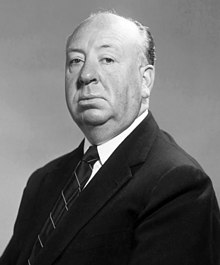
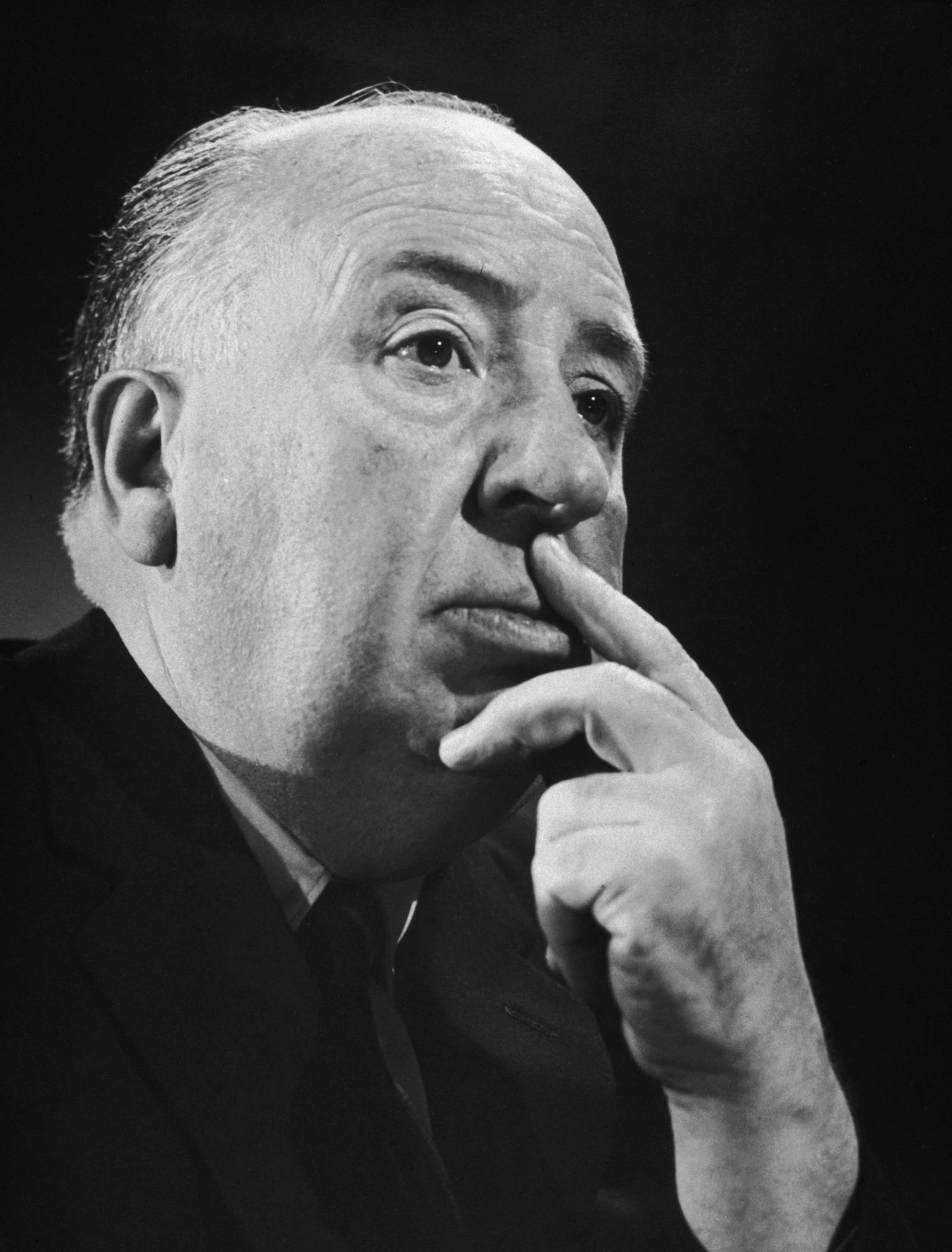
Alfred Hitchcock is known to be one of the most famous film directors of all time and he himself was as mysterious as the plots of his movies. Hitchcock was born to a catolic family in the year 1899. He endured many narrowing experiences throughout his lifetime that may have helped to fuel his fascination with the macabre. His father died when Hithcock was just forteen years of age and as he result of this terrible event, Alfred Hitchcock had to quit school but however, continued to study and read on his own. He took evening classes, attended theatre and cinema perfomances regularly, and he got his feet wet in the talent pool of art and writing. In 1920, Hithchcock became aware of an American film company called Famous players- Lasky that was opening a studio in london. He was offered a position as a title designer, which he accepted and developed a love for the art of filmaking from there.

 Alfred Hitchcock is known to be one of the most famous film directors of all time and he himself was as mysterious as the plots of his movies. Hitchcock was born to a catolic family in the year 1899. He endured many narrowing experiences throughout his lifetime that may have helped to fuel his fascination with the macabre. His father died when Hithcock was just forteen years of age and as he result of this terrible event, Alfred Hitchcock had to quit school but however, continued to study and read on his own. He took evening classes, attended theatre and cinema perfomances regularly, and he got his feet wet in the talent pool of art and writing. In 1920, Hithchcock became aware of an American film company called Famous players- Lasky that was opening a studio in london. He was offered a position as a title designer, which he accepted and developed a love for the art of filmaking from there.